
Bring a live decision
You do not need a fresh start to improve the quality of a decision; you only need a clearer map of where you stand and what could still change before commitments harden.
If you are in the midst of a capital or operational decision and would like a steadier way to navigate the remaining steps, we can start with your current documents and questions, then outline how a Live Corridor Review might support your next internal discussion.
Discuss a projectHow we support live decisions

Current State Scan
Every live engagement begins with a Current State Scan. We gather key documents, from draft contracts to internal memos, and ask each stakeholder to describe the project in a few sentences. Differences in those descriptions are valuable data. They show where expectations have drifted or remained unspoken. We then summarise the scan in a short note that distinguishes between what is fixed, what is negotiable, and what is still undefined. This note becomes a reference point for all further conversations, ensuring that when you say “the project,” everyone is picturing roughly the same thing.
Three lenses, live
With the present mapped, we introduce a live Three Lens Review. Operational resilience is explored by asking how the project would behave under plausible disruptions during the next few years, not in abstract terms but using your existing maintenance plans, staffing realities, and supplier arrangements. Capital structure is examined through the timing and flexibility of funding sources. Scenario stress looks at how combinations of events could interact. The objective is to reveal tensions early, not to eliminate them. Results may vary, and we keep that caveat explicit throughout the discussion.
Working with decisions already in motion
When an industrial decision is already underway, you do not need a restart; you need a
way to see clearly where you stand, what remains flexible, and how to talk about it with
people who hold different pieces of the puzzle.
“We are already halfway into this decision. Is it too late to bring structure to it?” Many industrial leaders in Canada arrive with this question when a plant upgrade, logistics shift, or infrastructure project is already in motion. This page focuses on that in between moment, when you cannot pause operations, yet you sense that the decision would benefit from a clearer frame. We work alongside your existing process rather than replacing it, using simple, named methods to connect technical realities, funding options, and time. Together we move from a tangle of emails, slide decks, and informal assumptions to a shared narrative that can withstand questions from boards, lenders, and internal teams. Results may vary, and past performance does not guarantee future results, but a more transparent path often makes the remaining steps easier to explain and adjust.
Locating the decision point
Capture where the decision stands today, what has already been committed, and which assumptions are still genuinely open for discussion across your industrial operations.
Running three lenses live
Use a live version of the Three Lens Review to see how operational resilience, capital structure, and scenario stress interact in your current context.
Shaping a shared story
Translate scattered data, draft contracts, and operational notes into a compact narrative that can travel between plant floor, finance office, and boardroom.
Setting measured checkpoints
Agree on a small set of indicators and check in points so that, as reality unfolds, you can respond calmly instead of reacting in surprise.
Moments from live work
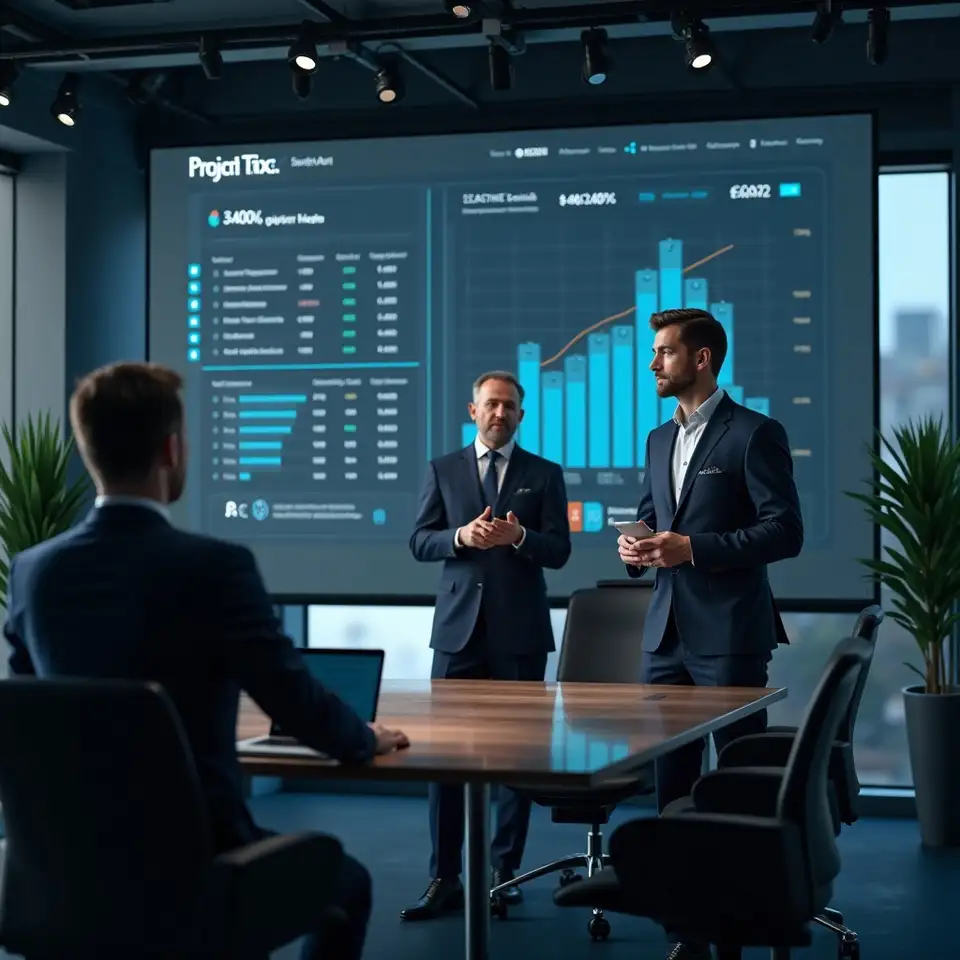

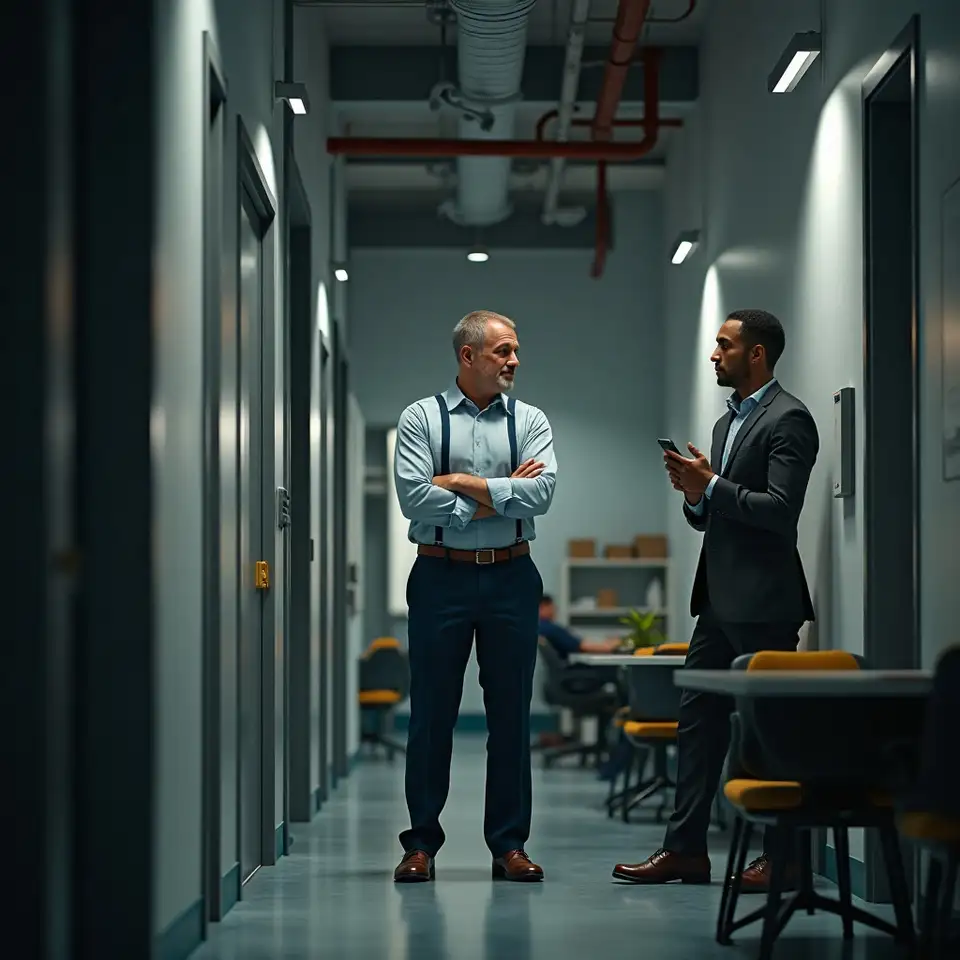
The Live Corridor Review in practice
When a decision is live, time feels compressed. Emails arrive with revised figures,
suppliers update timelines, and internal expectations shift as people sense that a
conclusion is near. In this atmosphere, it is tempting either to push through quickly or
to stall in search of perfect clarity. We suggest a different path, built around what we
call the Live Corridor Review. First, we assemble a simple, dated snapshot of the
project as it stands today: commitments, open questions, and known constraints. This
snapshot does not try to reconstruct the full history; it focuses on the present moment.
Next, we adapt Baseline to Variance Mapping for the remainder of the corridor. Instead
of waiting for full hindsight, we identify a small set of anchors that matter between
now and the next major milestone, such as commissioning, a lender review, or a board
checkpoint. For each anchor, we ask what range of movement would still support the
current plan and what shifts would call for reconsideration. These ranges are not
promises; they are conversation tools that make it easier to respond if conditions
change. We then help you craft a short narrative that explains, in plain language, why
the project still makes sense given what is known today, where uncertainty remains, and
how you intend to monitor it. This narrative can be shared with stakeholders who join
late in the process, reducing confusion and last minute surprises. Results may vary, and
past performance does not guarantee future results, but a clearer shared view often
lowers the emotional temperature around tough decisions.
Meeting your project in the middle
Picture a capital decision as a long corridor rather than a single doorway. At one end,
ideas are tentative, framed in sketches and back of envelope calculations. At the other,
contracts are signed, equipment is installed, and operations are adjusting in real time.
Most of the difficult conversations in industrial finance happen somewhere in the middle
of that corridor, when momentum has built but uncertainty remains. This page explores
how we walk with you through that middle stretch. We start by mapping the current state:
which commitments are already fixed, which negotiations are open, and how different
teams describe the same project in their own language. This often reveals quiet
contradictions between what operations expects, what finance has modelled, and what
leadership believes has been agreed. Using a live version of the Three Lens Review, we
then place operational resilience, capital structure, and scenario stress side by side.
Rather than building new models from scratch, we work with your existing data,
contracts, and internal notes. The aim is not to produce a perfect forecast, but to
surface the few assumptions that will most influence how the next years feel in
practice. Throughout, we repeat that results may vary and that past performance does not
guarantee future results, to keep the tone honest. What changes is not the underlying
risk, but the way your organisation sees and discusses it, which can make the remaining
steps of the decision more deliberate and less reactive.
Fitting structure into daily work
From quiet working sessions to broader briefings, these examples show how live decision support can fit inside your existing routines without demanding dramatic changes to how you run your operations.

Aligning narratives
In a small meeting room, a maintenance lead, a finance analyst, and a project
sponsor sit around a table covered with printouts. Each person writes a two
sentence description of the live project, then reads it aloud. The differences
are striking but constructive. Some focus on technical upgrades, others on
funding terms, others on regulatory expectations. The group uses these contrasts
to build a shared, more complete narrative before returning to the numbers.
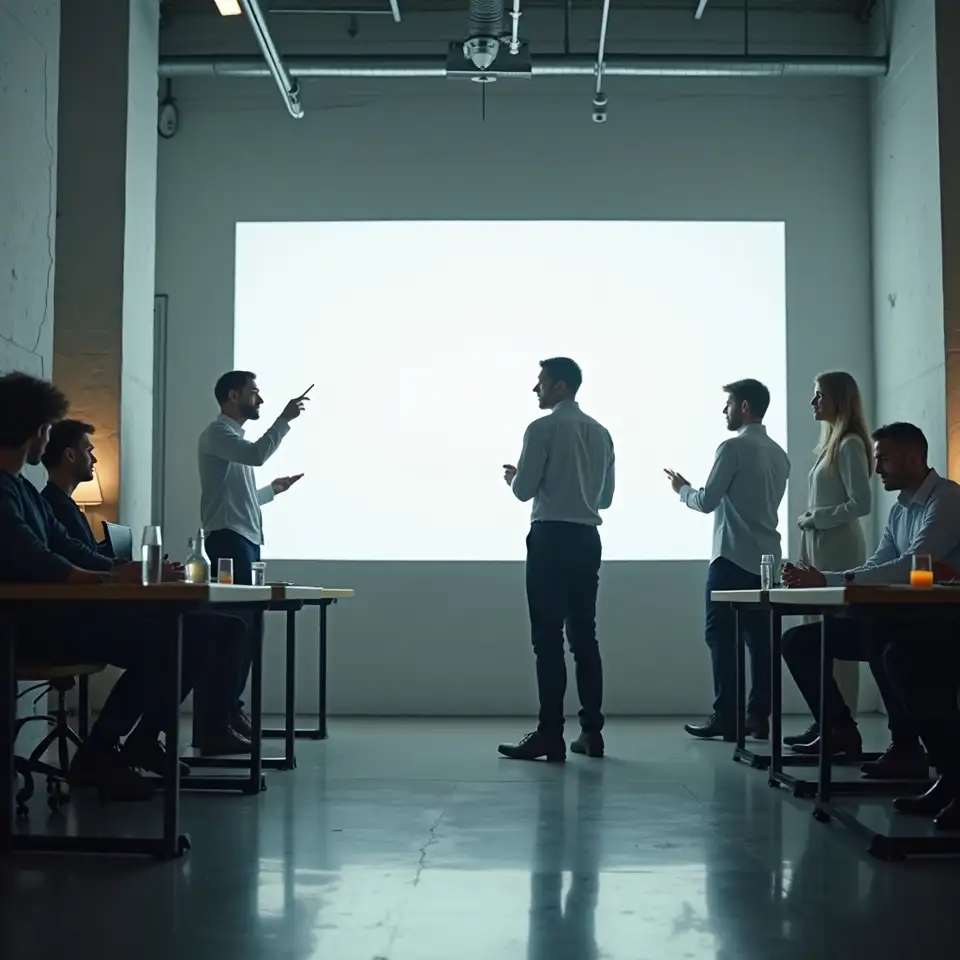
Making interdependencies visible
Later, the same team stands before a whiteboard divided into three columns for operational resilience, capital structure, and scenario stress. Under each heading they list concrete concerns and existing strengths. Arrows show how a delay in one area could influence another. The exercise does not remove uncertainty, but it makes interdependencies visible, which helps the group prioritise where to focus limited attention during the remaining decision window.

Preparing structured responses
In a follow up session, a smaller group defines corridor anchors for the next
six to twelve months. They choose a handful of dates and metrics that, if
crossed, will trigger specific conversations rather than automatic reactions.
These anchors are recorded in a short note with clear language that results may
vary and past performance does not guarantee future results. The note is
circulated to leaders so that, when signals appear, no one is surprised that a
discussion is taking place.

Sharing the path ahead
Finally, a project sponsor presents the refined narrative and corridor plan to a broader internal audience. Slides are sparse: a timeline, a few anchors, and a summary of key uncertainties. The sponsor explains not only what the team intends to do, but also how they will watch for signs that the plan should be revisited. Colleagues leave with a clearer sense of both the path ahead and the conditions under which it might change.