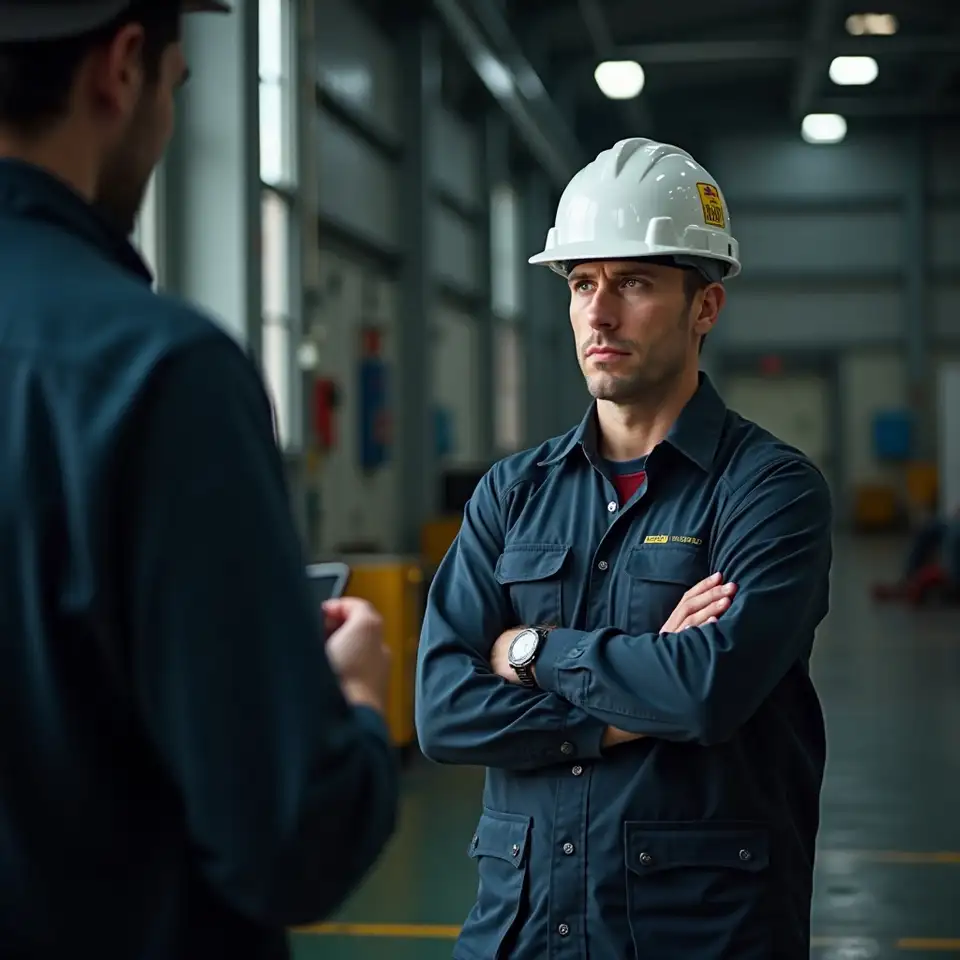
Cross functional industrial team from operations, finance, and leadership meeting beside plant equipment

Test the bridge

One project is enough to begin; the patterns you uncover there often echo across your wider Canadian industrial operations.

If you sense that operations, finance, and governance are each carrying partial stories about the same industrial decisions, we can start with one current or recent project and map how those stories line up today, then suggest simple ways to keep them in dialogue.
Start a conversation
Collection of industrial reports, charts, plant photographs, and board papers laid out on a table

Work with what exists

By arranging what you already have into a calmer structure, you gain a clearer view of how capital, risk, and daily operations interact without promising particular financial outcomes.

You do not need new systems to connect these perspectives. Using your existing reports, plant notes, and board materials, we help you see where assumptions differ and where small adjustments in language, timing, or monitoring could make future decisions easier to live with.

Explore methods

Bridging operations, finance, and the boardroom

When industrial decisions touch the plant floor, the finance office, and the boardroom at once, you need more than a model; you need a shared language that can travel between them without distortion.
“Our operations, finance, and board conversations feel like three different stories about the same plant.” Leaders across Canadian industrial sectors share this frustration when decisions about capital, maintenance, and capacity begin to pull in different directions. This page is about that gap between stories. We focus on how to weave a single, honest narrative that respects each perspective without forcing them into artificial agreement. Using named internal methods such as the Three Lens Review, Baseline to Variance Mapping, and the Live Corridor Review, we help teams turn scattered views into a shared frame for ongoing dialogue. Results may vary, and past performance does not guarantee future results, yet clients often find that once everyone can see how their piece fits into the whole, decisions become less brittle and conversations less defensive.

Grounding in operations

Clarify how plant floor realities, maintenance cycles, and capacity constraints shape the practical limits of any financial plan or scenario.

Clarifying finance notes

Organise existing reports, models, and lender materials into a structure that highlights key assumptions without promising specific outcomes.

Supporting governance

Translate technical and financial detail into concise narratives that boards and senior leaders can question, adapt, and revisit over time.

Keeping conversations aligned

Create simple, repeatable checkpoints where operations, finance, and leadership can compare notes before small drifts become large surprises.

Where the bridge shows up

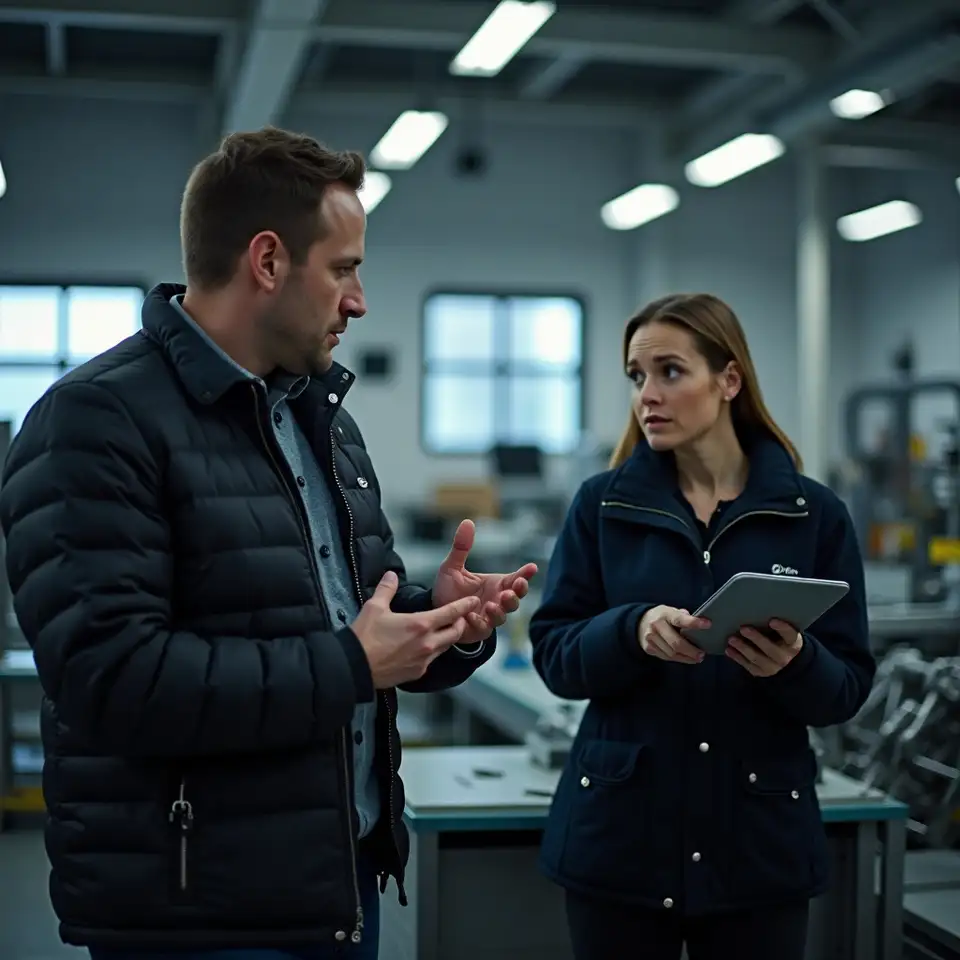
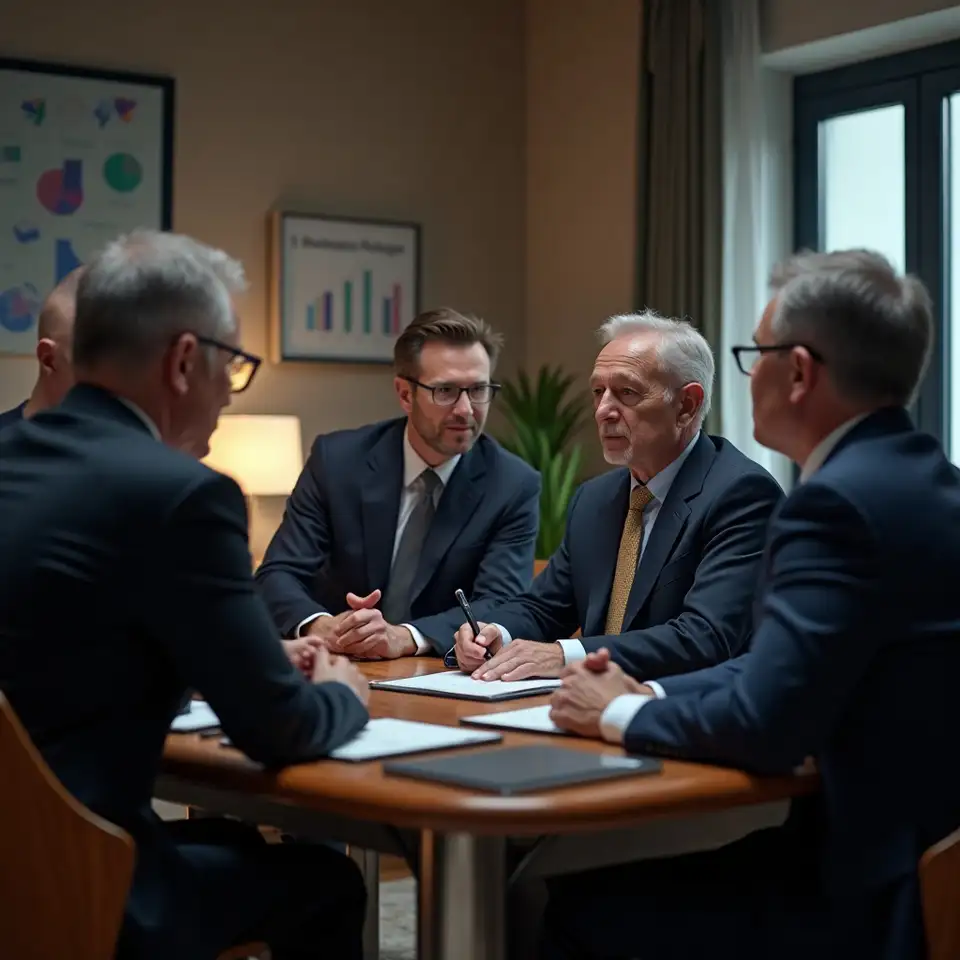
These scenes reflect ordinary moments where a more connected view of operations, finance, and governance can quietly reshape how industrial decisions are made and explained.
Three rooms, one shared decision frame

Imagine three parallel meetings about the same industrial project. On the plant floor, supervisors discuss maintenance windows and staffing, trading practical stories about what can realistically happen during a shutdown. In the finance office, analysts adjust figures in a model, exploring how different timelines and funding options affect near term pressure and longer term resilience. In the boardroom, directors look at a summary deck, weighing the project against other claims on capital and the organisation’s tolerance for strain. Each group is sincere, yet their conversations rarely meet in full. This page explores how to build a bridge between those rooms. We begin by listening to how each group currently describes the project in its own words, noting where the narratives overlap and where they quietly diverge. Using the Three Lens Review, we then place operational resilience, capital structure, and scenario stress side by side so that no single perspective dominates. Baseline to Variance Mapping adds a way to track how reality moves relative to the story that was told at approval, while the Live Corridor Review offers structure when a decision is already underway. We keep the language measured and explicit that results may vary and past performance does not guarantee future results. The goal is not to erase uncertainty, but to create a shared frame where operations, finance, and governance can discuss the same decision without talking past one another.

Building a Crossroom Chronicle over time

Over time, industrial organisations accumulate a scattered archive of decisions: upgrades that went smoothly, expansions that strained resources, and projects that quietly faded from view. Each carries lessons about how operations, finance, and governance interacted, yet those lessons are rarely captured in a way that can guide future choices. We work with you to assemble what we call a Crossroom Chronicle, a living reference built from real projects rather than idealised examples. For each selected decision, we reconstruct how plant teams, finance staff, and senior leaders understood the situation at the time, then compare those views with what actually unfolded. The Three Lens Review helps structure this comparison, while Baseline to Variance Mapping shows where expectations and outcomes parted company. In some cases, the story reveals that a cautious decision held up well under pressure. In others, it shows how optimistic assumptions about demand, lead times, or funding flexibility created avoidable strain. We treat these findings as prompts, not verdicts, always repeating that results may vary and that past performance does not guarantee future results. As the Chronicle grows, your organisation gains a set of concrete reference points that make abstract phrases like “risk appetite” and “capacity for strain” feel more tangible. When a new project appears, you can ask not only what the model says, but which past decisions it most resembles and what those experiences suggest about timing, scale, and communication.

Examples across your organisation

From maintenance bays to board tables, these examples show how a single, honest narrative can travel through your organisation, helping people understand not only what is being decided, but how and why.


We use essential and analytics cookies on lascurient.sbs to keep the site secure, understand how our industrial finance content is used, and remember certain preferences. You can accept all cookies, reject non essential ones, or adjust settings in your browser at any time. For details, please review our Cookie Policy and Privacy Policy.